
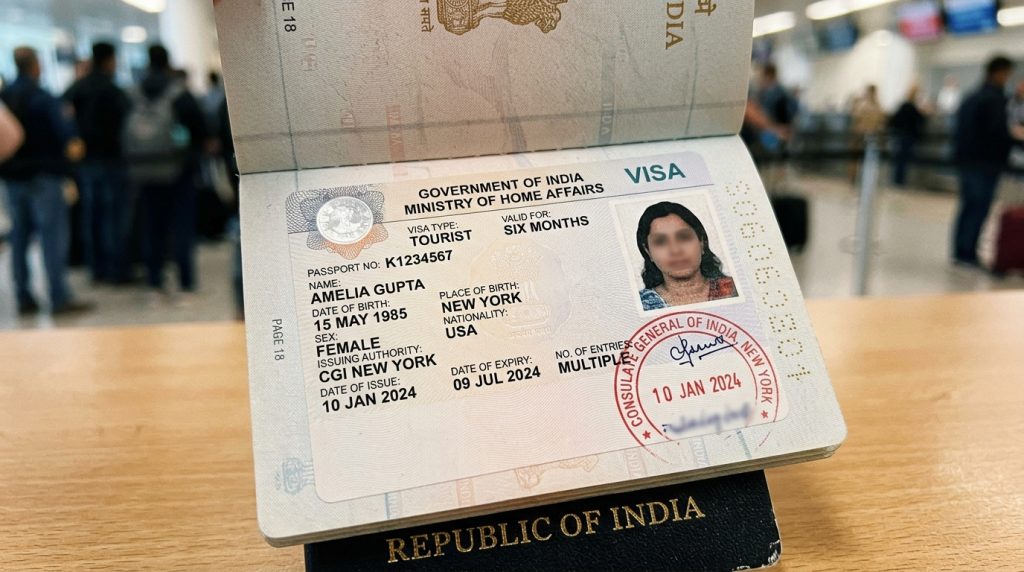
The captivating appeal of India—stretching from the architectural majesty of the Taj Mahal to the serene, palm-fringed backwaters of Kerala—continues to position the subcontinent at the absolute top of global travel lists. In an effort to welcome international tourists and business professionals, the Indian government has fully modernized its border infrastructure. By transitioning from slow, legacy consular applications to a highly efficient online immigration platform, travelers can now secure entry approvals with greater speed and ease than ever before. However, maintaining strict compliance with official guidelines is essential for a smooth journey.
Strategic Planning for East Asian Holidaymakers
A successful international vacation relies on securing proper travel authorization well before arriving at the airport check-in counter. Under current border policies, old manual processes, physical paperwork, and in-person embassy queues have been completely replaced by an automated electronic visa framework. This secure system processes applications via a cloud-based network and links the digital travel authorization directly to a traveler’s passport.
This optimized infrastructure makes planning a South Asian vacation from East Asia exceptionally straightforward. For instance, adventurers planning a curated, week-long getaway to explore the historic Golden Triangle or attend a vibrant regional festival can handle their travel logistics securely from home. Fulfilling the fast online requirements to obtain an official INDIAN VISA FROM JAPAN yields a highly flexible travel document. This digital clearance allows for efficient border entry covering leisure tourism, family visits, and short-term wellness programs like traditional yoga retreats, providing absolute peace of mind before boarding the aircraft.
Minimizing Administrative Risks in the Submission Process
While the electronic visa framework is designed to optimize international transit, applicants must treat the process with meticulous attention to detail. The digital platform uses sophisticated verification algorithms to cross-reference submitted files with international regulatory standards. Because the screening process is highly automated, even minor administrative oversights or formatting discrepancies can disrupt your travel timeline.
Understanding the primary triggers behind an application denial is the most effective way to safeguard your vacation investment. Many travelers face unexpected complications simply because they fail to upload a clear photograph or accidentally mistype a passport number. Learning how to AVOID REJECTION OF INDIAN VISA is crucial for a successful outcome, particularly when coordinating long-haul journeys from North America. Common issues include uploading blurred passport scans, listing references incorrectly, or selecting the wrong visa type for your intended activities, such as choosing a standard tourist pass when planning long-term employment.
Essential Document Management Habits for Globetrotters
To maximize the convenience of modern electronic immigration systems, experienced global travelers consistently practice a few fundamental preparation habits:
- Verify Passport Longevity: Ensure your passport has at least six months of remaining validity from your date of arrival and contains at least two blank pages for immigration stamps.
- Input Accurate Information: Double-check your application form line-by-line; minor typographical errors in passport numbers can trigger automated data mismatches at the gate.
- Store Dual Backups: Keep a secure PDF copy of your travel approval on your smartphone for offline access, and carry a printed hard copy inside your hand luggage.
By proactively managing these core administrative steps, you protect your travel plans and clear a seamless path toward an unforgettable and enriching cultural journey across India.