
Egypt remains one of the world’s most captivating destinations for storytellers, documentary filmmakers, commercial crews, and international travelers. From the timeless majesty of the Giza Pyramids to the vibrant street life of urban centers, the country offers unparalleled visual backdrop potential. However, bringing professional media equipment or planning an extended stay requires careful preparation. Understanding local media regulations and airport entry procedures ensures that your journey remains hassle-free from arrival to departure.
Navigating Filming Regulations and Official Authorizations
Egypt maintains specific legal frameworks regarding media production, photography, and commercial videography. While casual tourist snapshots taken with smartphone cameras or small handheld devices generally do not draw scrutiny, bringing professional grade gear—such as cinema cameras, advanced audio receivers, lighting rigs, or drones—requires prior governmental clearance.
Customs officials at ports of entry strictly monitor incoming luggage for commercial production equipment. Attempting to enter without proper authorization can result in gear being temporarily impounded at airport storage until cleared by official authorities. To avoid delays, production teams must apply for permissions well ahead of their scheduled departure date. Obtaining an official EGYPT VISA FILM PERMIT allows media professionals to clear their specialized gear through customs legally and obtain local filming clearance for specific historic or cultural landmarks.
Additionally, filming near government facilities, military infrastructure, major transportation hubs, or utility projects is strictly forbidden without dedicated state supervision. Working alongside a recognized local fixer or production agency can dramatically streamline the application process, ensuring that your shooting schedule aligns with regional legal expectations.
Modernizing Airport Entry: Digital Documentation at Cairo International
As Egypt continues to expand its tourism and international trade infrastructure, entry procedures at major hubs have undergone significant modern upgrades. Cairo International Airport serves as the primary gateway for millions of visitors annually, and recent digital transformations have streamlined how passenger data, visas, and declarations are handled upon arrival.
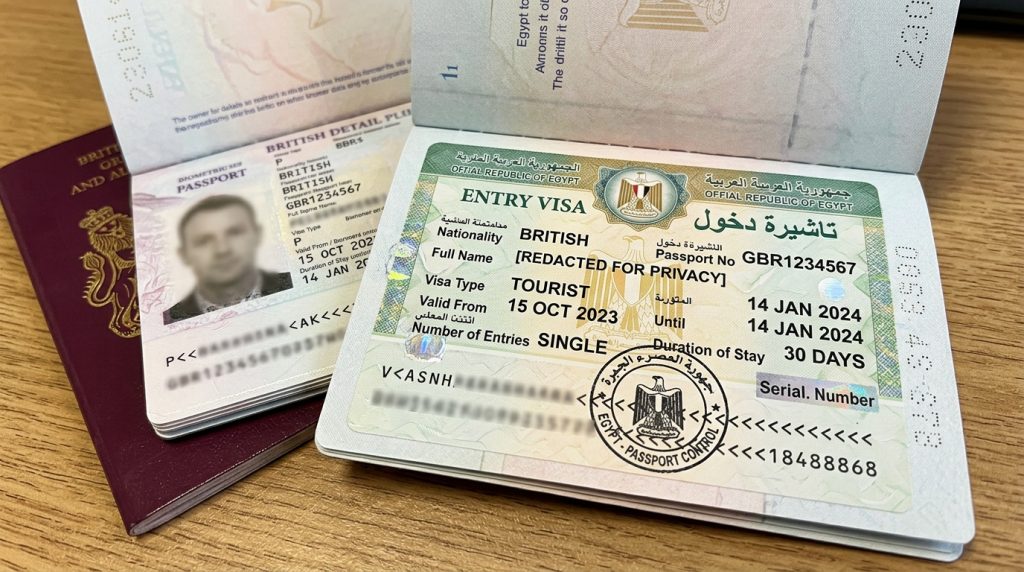
Travelers are strongly encouraged to complete all administrative requirements online prior to boarding their flights. Electronic visas (e-Visas) allow visitors to secure pre-approved entry confirmation, reducing wait times at border control queues. Furthermore, understanding updated protocol regarding EGYPT DIGITAL IMMIGRATION AT CAIRO helps incoming passengers navigate paperless landing forms, passport verification desks, and customs baggage declarations effortlessly.
When arriving at the terminal, travelers should keep digital and physical copies of their pre-approved entry documentation, hotel reservations, return flight itineraries, and equipment approvals readily accessible. Having these documents organized prevents unnecessary delays at immigration counters and allows for swift transfer to your accommodation or filming location.
Practical Checklist for a Smooth Journey
To ensure your trip to Egypt is both productive and compliant with local standards, keep the following best practices in mind:
- Verify Visa Requirements Early: Apply for your e-Visa at least 7 to 10 days before your intended travel date to account for processing windows.
- Declare Professional Gear: Never attempt to conceal professional cameras, drones, or specialized equipment in checked luggage without prior authorization.
- Respect Local Privacy Laws: Always ask for permission before capturing close-up footage or photos of local citizens, vendors, or private property.
- Keep Digital Copies Offline: Store digital backups of your entry approvals, permits, and passports on your mobile device for offline access during transit.
By staying informed about legal obligations, securing required permits in advance, and taking advantage of digital immigration systems, visitors and production crews can focus entirely on experiencing and capturing the extraordinary beauty of Egypt.