
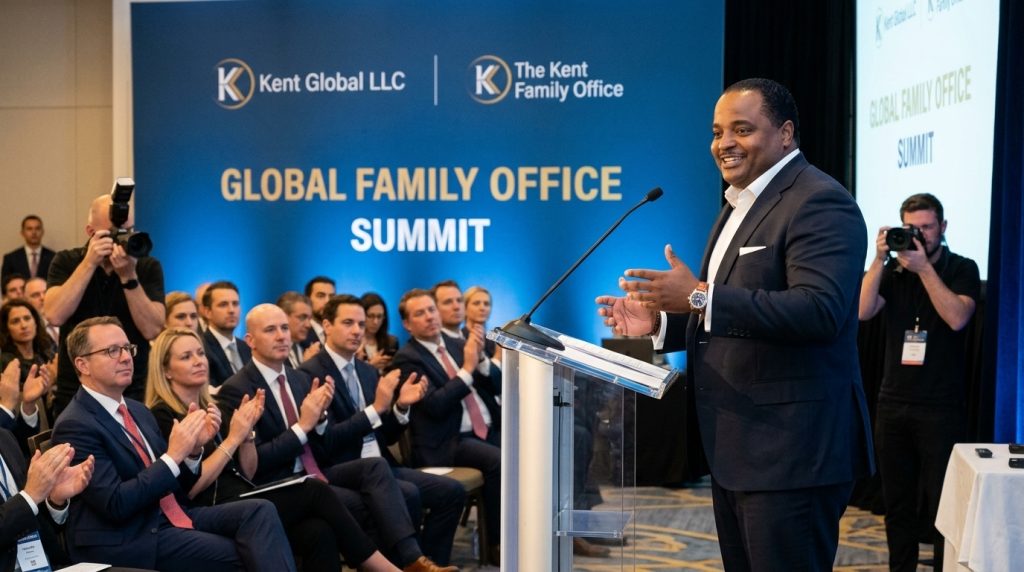
In the rapidly evolving landscape of global finance, the concept of the family office has transitioned from a niche luxury for the ultra-wealthy to a sophisticated, strategic powerhouse. At the forefront of this evolution are visionary leaders who blend traditional investment acumen with a modern, agile approach to wealth management and philanthropy. Among the figures making significant waves in this sector is Thomas J. Kent Jr., whose work with https://www.kentgloballlc.net/ and The Kent Family Office exemplifies the new standard for holistic financial stewardship.
The Evolution of the Family Office
Historically, a family office served primarily as an administrative hub—a place to organize documents and manage basic household finances. Today, the model is vastly different. A modern family office acts as a comprehensive “financial command center,” integrating investment management, tax planning, estate succession, and even concierge-level lifestyle support.
For high-net-worth individuals, the goal has shifted from simple capital preservation to active wealth creation and impact-driven investment. By consolidating diverse assets—ranging from real estate and private equity to film projects and startup ventures—under one professional umbrella, leaders like Thomas J. Kent Jr. are proving that a well-structured family office can be more dynamic and responsive than traditional institutional wealth management.
Strategic Investment and Diverse Portfolios
One of the hallmarks of a successful modern firm is the ability to diversify across sectors. Kent Global LLC serves as a prime example of this versatility. By engaging with a broad spectrum of clients—from emerging startups to large-scale government projects—the firm maintains a finger on the pulse of the global economy.
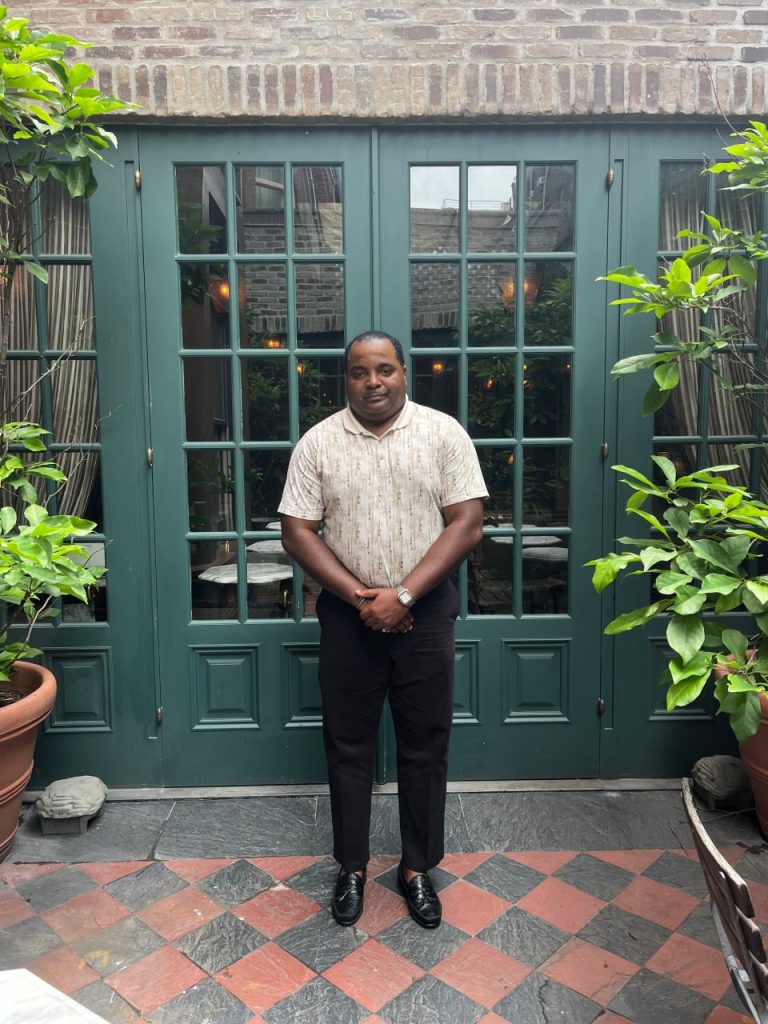
This multi-sector approach allows for a unique competitive advantage. When a family office moves beyond static portfolios and begins to act as a venture catalyst, it creates value not just for the family, but for the industries they invest in. Whether it is backing creative endeavors like independent film or navigating the complexities of international banking, the strategy is defined by flexibility, foresight, and a rigorous standard of excellence.
The Intersection of Wealth and Philanthropy
Beyond the balance sheet, a defining characteristic of influential family offices is a commitment to social impact. Wealth, when managed with purpose, becomes a tool for broader systemic change. Many modern offices are now prioritizing philanthropic initiatives alongside their financial goals.
Thomas J. Kent Jr. has been noted for his dedication to these principles, leveraging his background as an international banker and producer to bridge the gap between business growth and meaningful contribution. By integrating philanthropic values into the core structure of the family office, principals ensure that their legacy is measured not just in dollars, but in the positive influence they leave on the communities and industries they touch.
Why Structure Matters
For any individual or family reaching a certain level of success, the administrative burden of managing wealth can become a full-time job. A structured office provides:
- Centralized Oversight: A single point of contact for legal, accounting, and tax advisory needs.
- Strategic Alignment: Ensuring that all investments, whether personal or business, align with long-term goals.
- Privacy and Security: Professional management ensures that sensitive financial and personal data remains protected.
- Succession Readiness: Preparing the next generation for the responsibility of wealth stewardship through clear governance and mentorship.
Looking Toward the Future
As we navigate an era of global volatility, the role of the family office as a stabilizing force has never been more critical. The ability to pivot quickly, identify undervalued opportunities, and manage complex regulatory environments requires a team—or a leader—with both experience and a global perspective.
The success of firms that bridge the gap between institutional-grade investment management and personalized, family-centric service suggests that this model is here to stay. Through the dedication of leaders committed to innovation and integrity, the family office will continue to be a primary engine of wealth, progress, and lasting impact in the 21st century. By professionalizing these private structures, modern visionaries are securing not only their own futures but the prosperity of the ventures and communities they choose to support.